BEGINNER’S GUIDE TO RAised BED GARDENING
How to set up a backyard vegetable garden that grows abundantly—no experience required
If you’ve been dreaming about starting a vegetable garden but worry you’re short on space, short on time, or “not naturally good at it,” you’re not alone.
Almost every beginner I meet feels this way at first—and it’s the exact reason I created this guide.
A beautiful, productive backyard garden isn’t built on luck or natural talent. It’s built on good setup. And once your setup is solid, the growing becomes so much simpler. (Truly simpler. Not “Pinterest expert gardener” simpler.)
As I share in my 3 Essentials for Starting an Abundant Backyard Vegetable Garden guide, there are a few foundational decisions that make growing food so much easier—decisions most beginners simply don’t know about yet.
Today, we’ll walk through all of them in a way that feels clear, doable, and grounded in real-life experience.
You don’t need a huge yard, perfect soil, or endless free time to grow food. You also don’t need to memorize complicated gardening rules that were written for traditional in-ground farming, not for modern home gardens.
What you do need is a supportive setup—one that works with your climate, your lifestyle, and your space.
This is why raised beds and containers are the backbone of nearly every garden I design in Metro Detroit. They’re flexible, they reduce guesswork, and they give beginners a real chance at early success.
Your garden doesn’t have to be perfect.
But it does have to be thoughtful.
Below are the core elements that matter most when you’re getting started—each inspired by the essential lessons inside your guide.
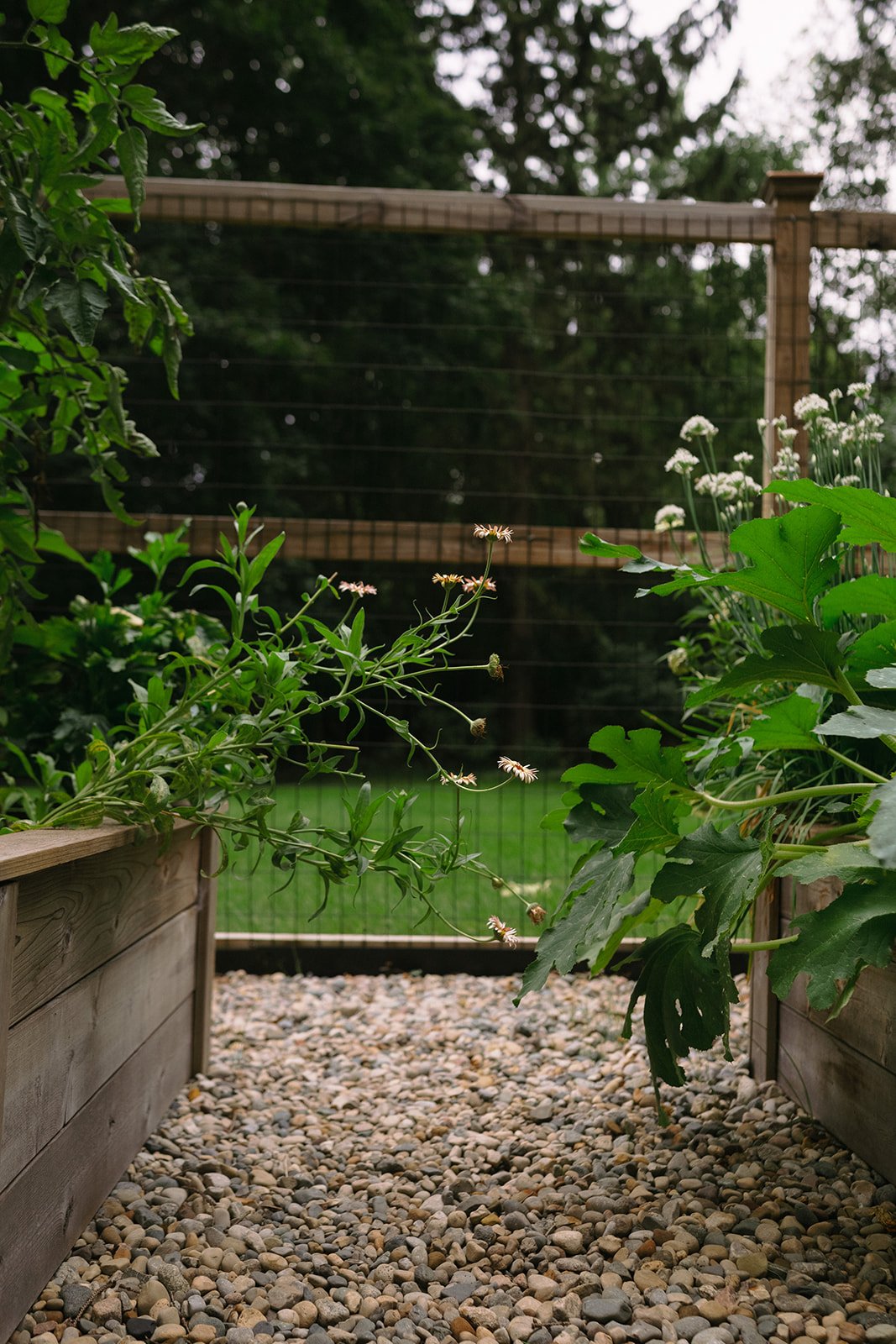
Choose Raised Beds or Containers
Traditional seed packets assume you’re planting into open ground—which comes with limitations: waiting for thawed soil, needing large amounts of space, dealing with weed pressure, and testing for pollutants.
Raised beds break those rules—all while giving you:
earlier planting windows
better drainage
deeper root space
and total control over soil quality
They can be tucked against a fence, placed near your kitchen door, or built into a dedicated garden space. Even one or two beds can dramatically expand what’s possible.
Choose natural materials
Your guide makes this brilliantly clear: natural materials only.
Avoid plastics, faux composite materials, 5-gallon buckets, old tires, or anything questionable for food-growing.
Stick with:
wood
stone
clay
felt / natural fiber
galvanized or corten steel
These materials last, breathe, and keep your food safe.
Fill Your Beds With a Quality Growing Mix
A good growing mix does most of the hard work for you.
You need three components:
Topsoil
Sand or perlite (for drainage)
Compost (for nutrition)
Fill your raised beds all the way to the top.
This is where many beginners unintentionally sabotage their garden. Two inches of soil simply can’t support deep roots, healthy vegetables, or root crops like carrots.
Buy a premixed blend in bulk or combine your own—just don’t cut corners here. Good soil is the foundation of an easy garden.
Create a Planting Plan Before You Buy Anything
This is the part beginners tend to skip—and it shows up later as overcrowding, plant failure, or frustration.
Your guide explains that planning ensures you:
use every square foot well
choose the right plants for each season
avoid impulse buys
know which plants climb and need support
time your planting correctly for your seasons where you live
Your basic plan should include:
A list of what you actually eat
A decision on what to grow from seed vs. transplants
A simple sketch showing where each plant goes
This step alone reduces so much stress, waste, and confusion.
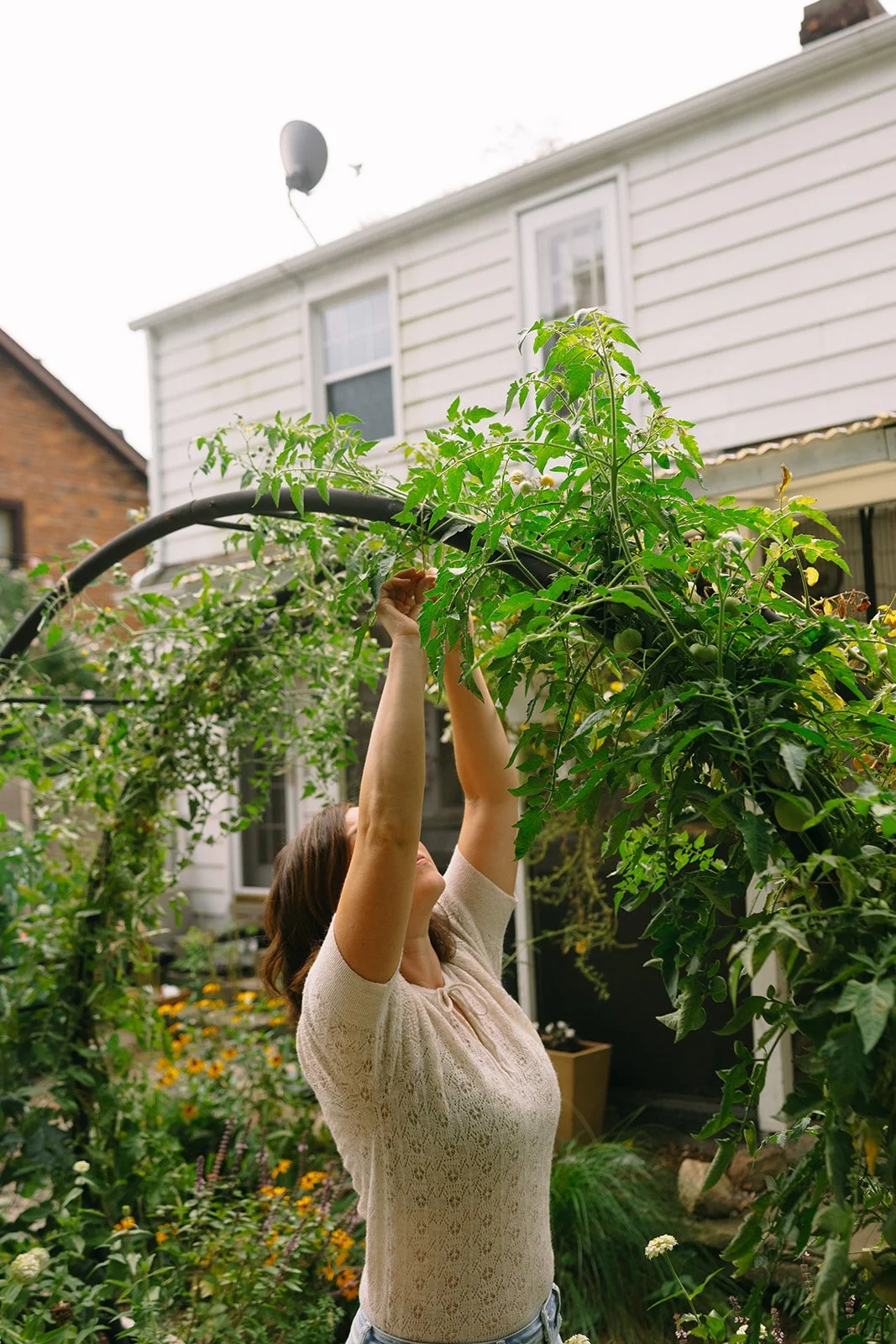
Bonus — Add a Trellis to Multiply Your Space
Trellises aren’t just functional—they make your garden feel intentional and elevated.
Think of them as “high-rise apartments for plants” (Page 10). They create vertical space for cucumbers, peas, cherry tomatoes, pole beans, melons, and more.
Your guide breaks down the three main types:
arch trellis
panel trellis
obelisk trellis
Place them on the north side of your beds so they don’t shade the rest of your garden.
When your garden is set up intentionally—good beds, good soil, clear plan—everything else feels lighter.
This is why so many gardeners lose confidence early on. They assume they’re doing something wrong, when really, they just didn’t have the right foundation.
You’re not behind.
You’re not “bad at gardening.”
You just haven’t been shown how simple and enjoyable it can be when the setup is thoughtful.
A strong beginning leads to an abundant season.
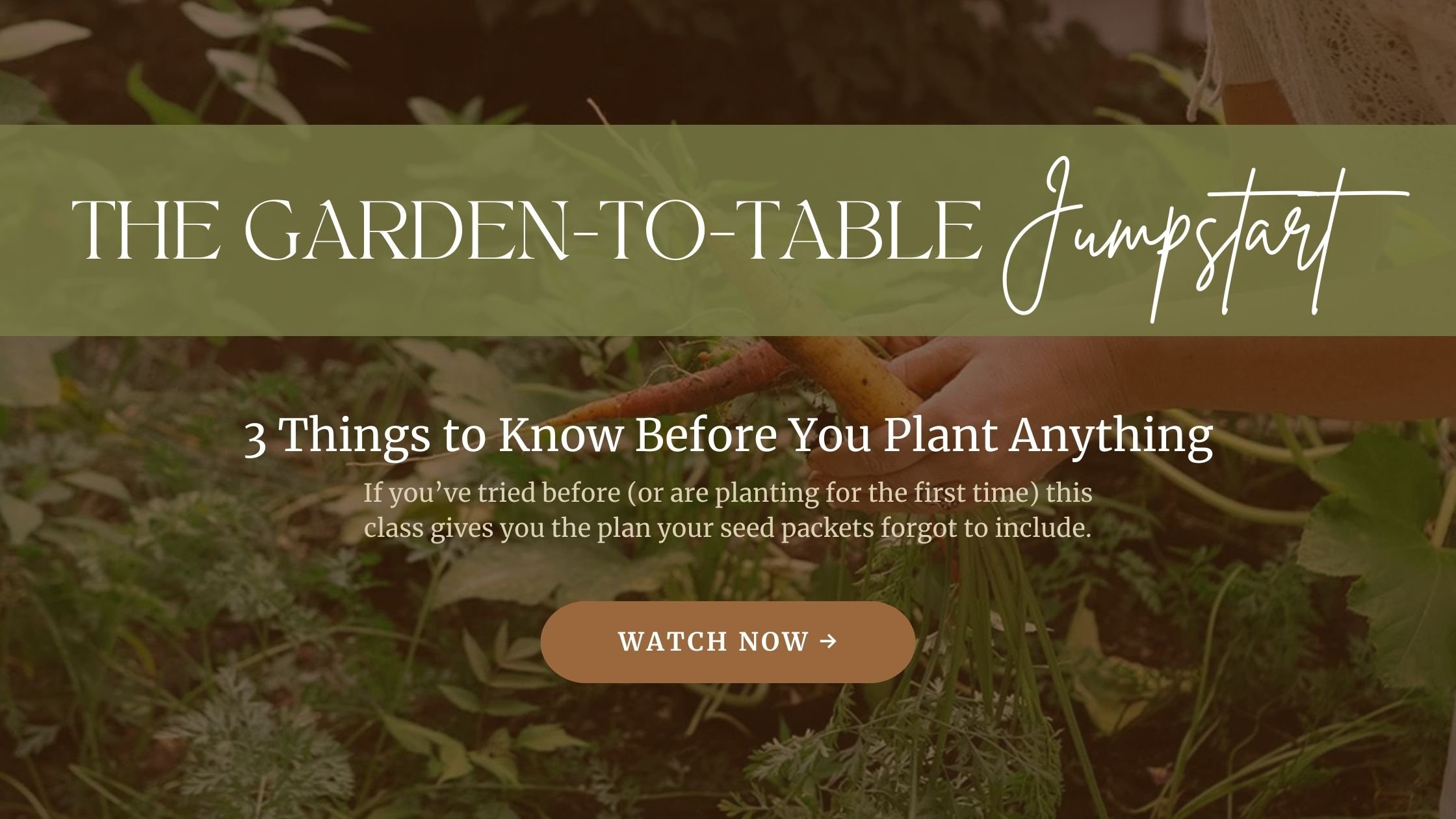
Need help learning everything that the seed packets might be forgetting to tell you?
If you’re setting up your first raised bed—or you’ve tried gardening before and felt overwhelmed—you don’t need more hacks. You need a clear, simple framework that makes sense for your life, your space, and your season.
That’s exactly why I created my free mini class:
🌱 The Garden-To-Table Jumpstart
Inside the class, I’ll walk you through the three things every garden needs to succeed:
A solid setup, the right timing, and small moments of consistency.
These are the pieces that gardeners often learn the hard way, and they’re also the pieces that unlock ease and confidence—especially for beginners.
In this free masterclass, you’ll learn:
How to design a raised bed setup that actually works (so you’re not fighting your garden all season)
What to plant when here in Michigan, and why timing is everything
Why a few minutes of attention truly makes the biggest difference
The exact steps I teach beginners so they can stop Googling and finally feel sure of what they’re doing
If you want your raised bed to feel fun, productive, and doable—not confusing—this class is the best place to start.
✨ Watch the free “Garden to Table Jumpstart” Mini-Class Here
Let this be the year your garden feels clear, grounded, and enjoyable from day one.